 01
01hPSC differentiation
Build blood from first principles
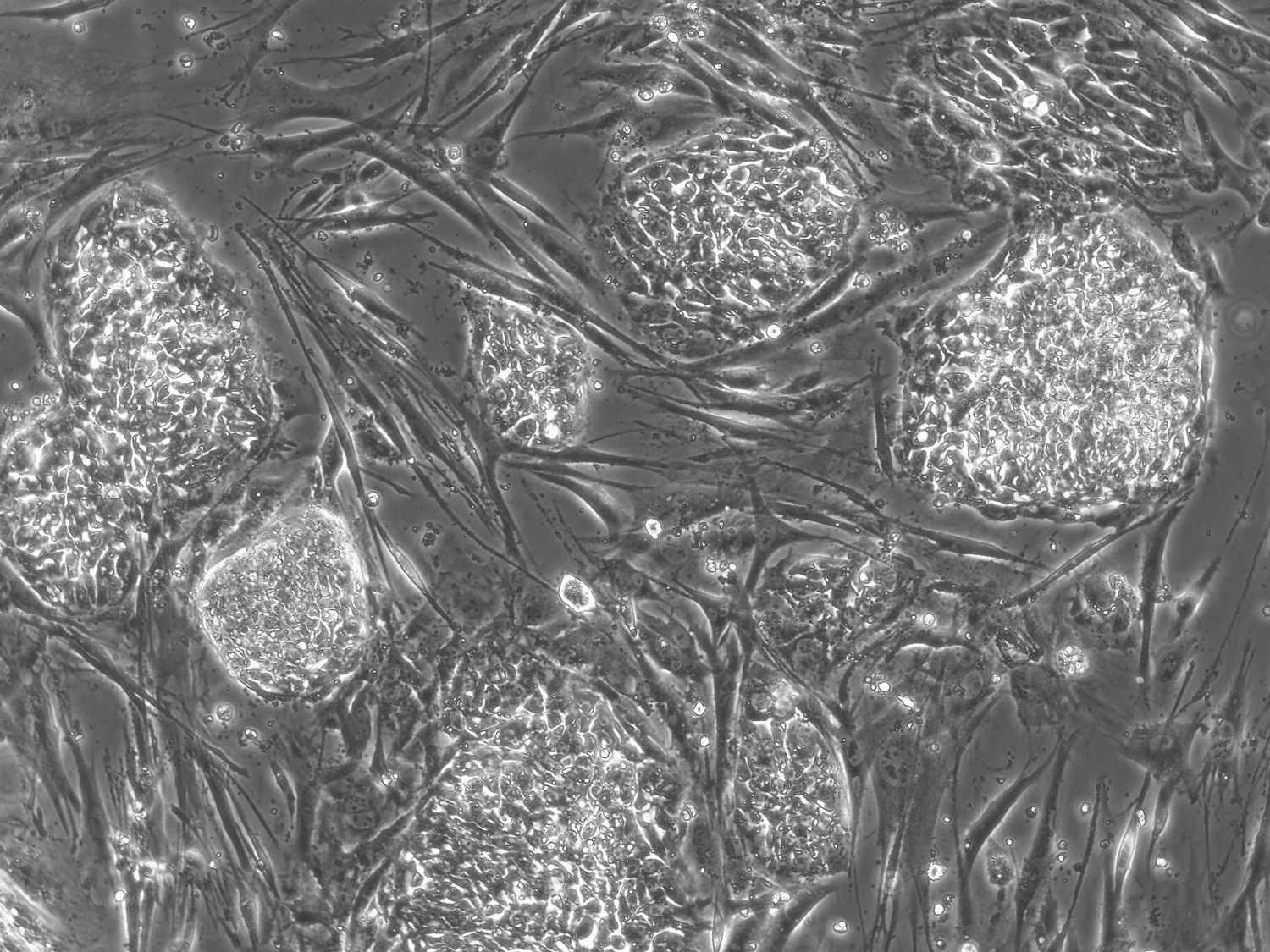
Replay early human development in a dish, then perturb the signals that decide blood-cell identity.↗
Human blood development
We trace the colorful logic of human blood and immune development—then use it to build better cell-based therapies.
Research at a glance
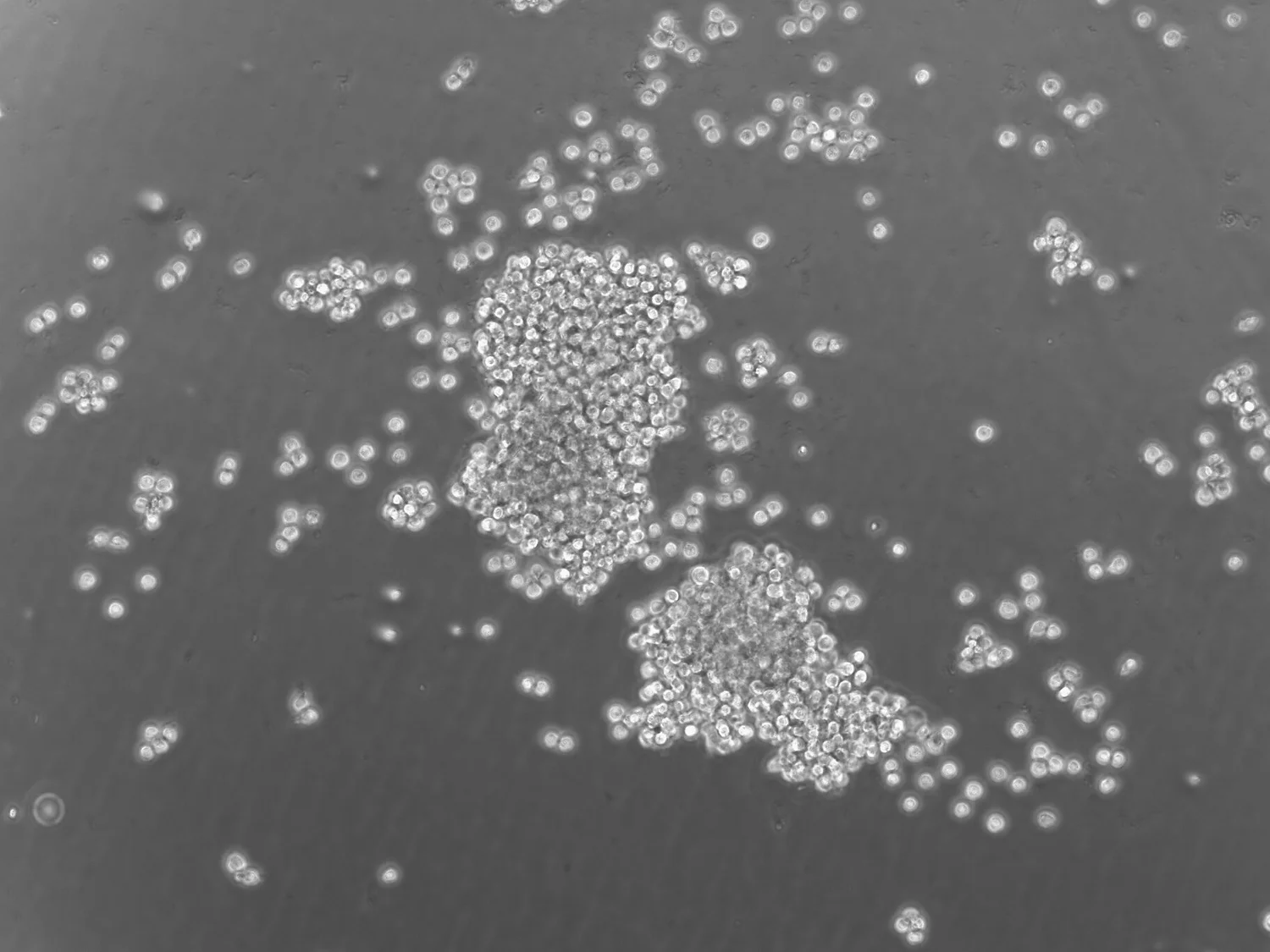
Follow human pluripotent stem cells through blood specification, immune development, and disease modeling—then see how those discoveries converge on regenerative and therapeutic goals.
Open the research atlas ↗
A developmental roadmap of the questions, systems, and translational goals studied in the Sturgeon Lab.
Our research spectrum
Each research program receives its own color, making a complex developmental story easier to scan without making the site feel childish or chaotic.
01hPSC differentiation
02HSC ontogeny
 03
03Immune engineering
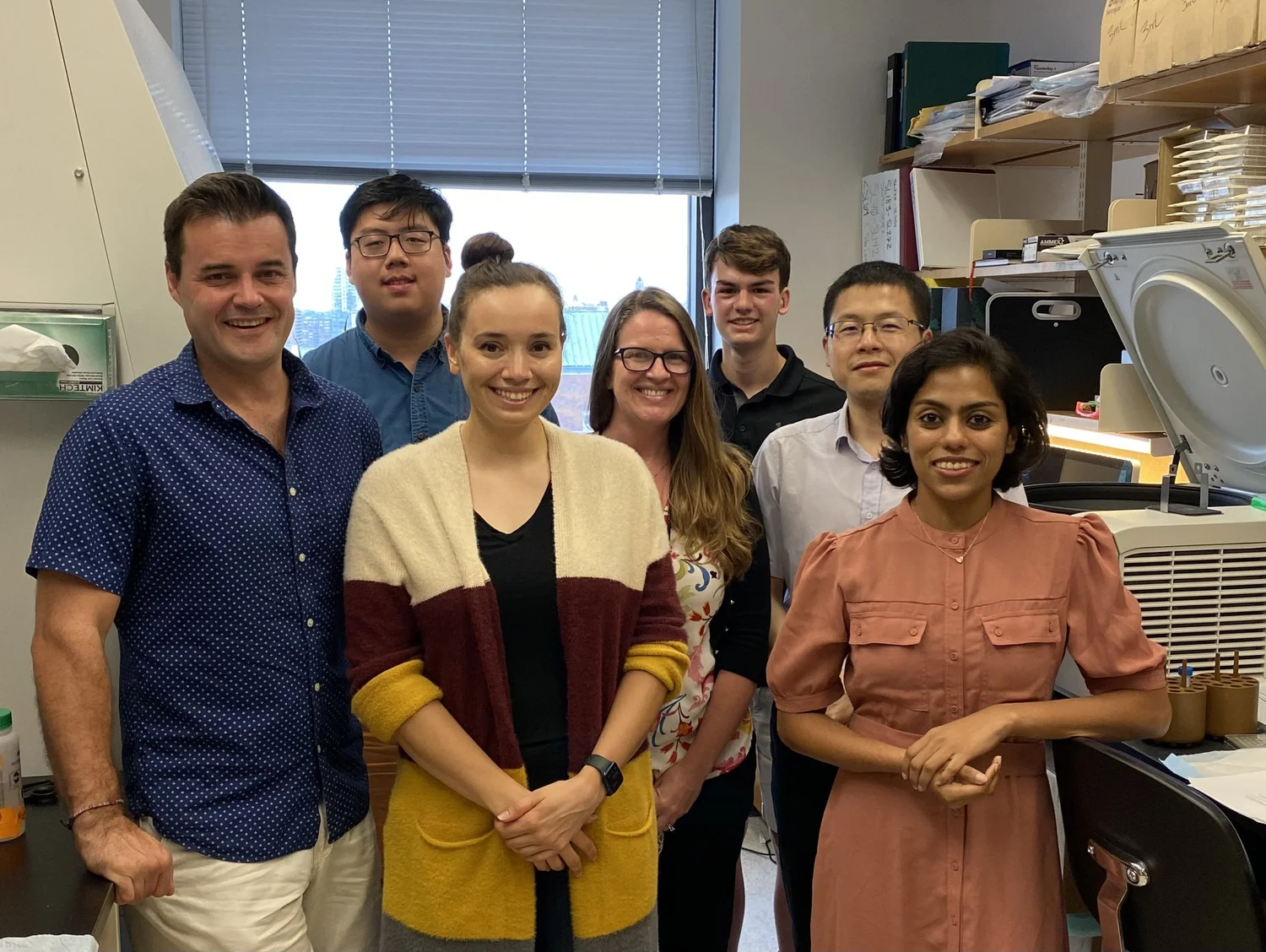 Focused mentorship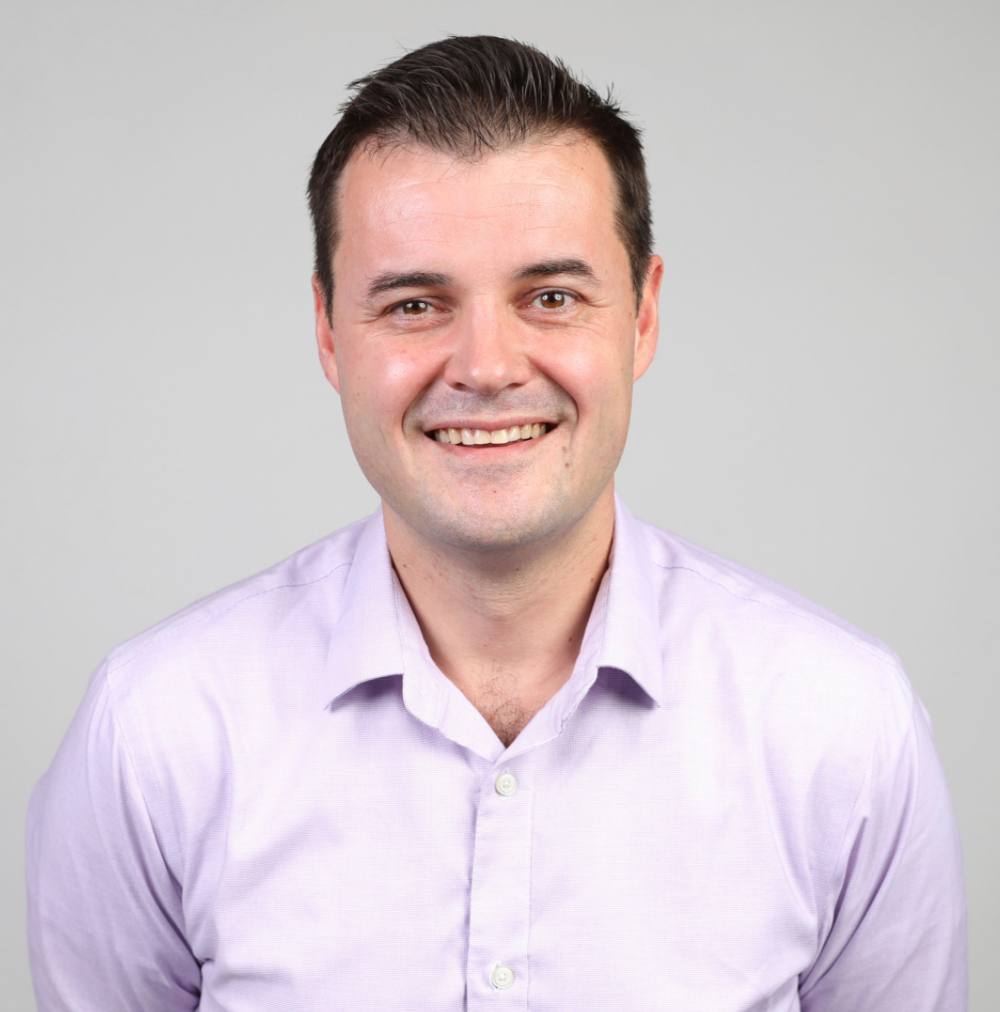
Principal investigator
Chris trained with Michel Roberge at the University of British Columbia and Gordon Keller in Toronto before founding the lab in 2014. His mentorship centers on scientific independence, clear communication, and collaboration across disciplinary boundaries.
Demanding about the science.
Generous with the scientist.
Lab notes & recognition
Awards, funding, interviews, and coverage of our work in developmental hematopoiesis.
Mount Sinai
Aspen Institute Italia
Rai Cultura
La Stampa
Selected work
Come build with us
We welcome scientists who are curious about development, comfortable with collaboration, and ready to take ownership of hard problems.